Contact us





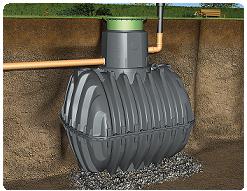
Cesspits may vary in shape and size and are usually discreetly placed underground with only a single manhole cover declaring their whereabouts. Many older properties may have cesspits made of traditional brick unless they have been replaced; modern tanks are generally made from fiberglass and other modern materials.
Cesspits are in the form of a sealed tank, which takes all of the property”s liquid waste including waste from sinks, baths, showers as well as toilets. As the cesspits are completely sealed apart from the manhole, they will need to be emptied on a very frequent basis to avoid problems occurring.
Cesspits are usually installed in preference to septic tanks because of ground conditions or to remove the potential of pollution.
If you would like to discuss your options regarding cesspits, septic tanks and sewage treatment plants please contact us for advice.
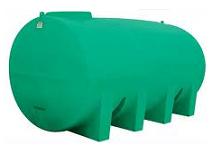
Silage tanks are manufactured in the same sizes as cesspools, and are used for the storage of more toxic natural or chemical waste. Silage tanks are manufactured using special resins designed to be resistant to aggressive silage effluent and to comply with all statutory regulations.
Silage effluent has the potential to cause severe environmental damage if allowed to enter a watercourse as it has a very high BOD (Biochemical Oxygen Demand), up to 200 times greater than that of domestic sewage. Therefore, if it enters a watercourse it can very quickly remove all of the oxygen and kill off all aquatic life withing the ecosystem.
As silage effluent has caused numerous severe pollution incidents in the countryside, there are now a number of very strict statutory controls to regulate its collection and storage.
A typical application for a silage tank would be for a touring caravan site where a collection vessel was required to hold elsen waste from chemical toilet cassettes.
As silage effluent has caused numerous severe pollution incidents in the countryside, there are now a number of very strict statutory controls to regulate its collection and storage.
A typical application for a silage tank would be for a touring caravan site where a collection vessel was required to hold elsen waste from chemical toilet cassettes.
